
Our beginnings
Why we think the world needs another fine jewelry brand.

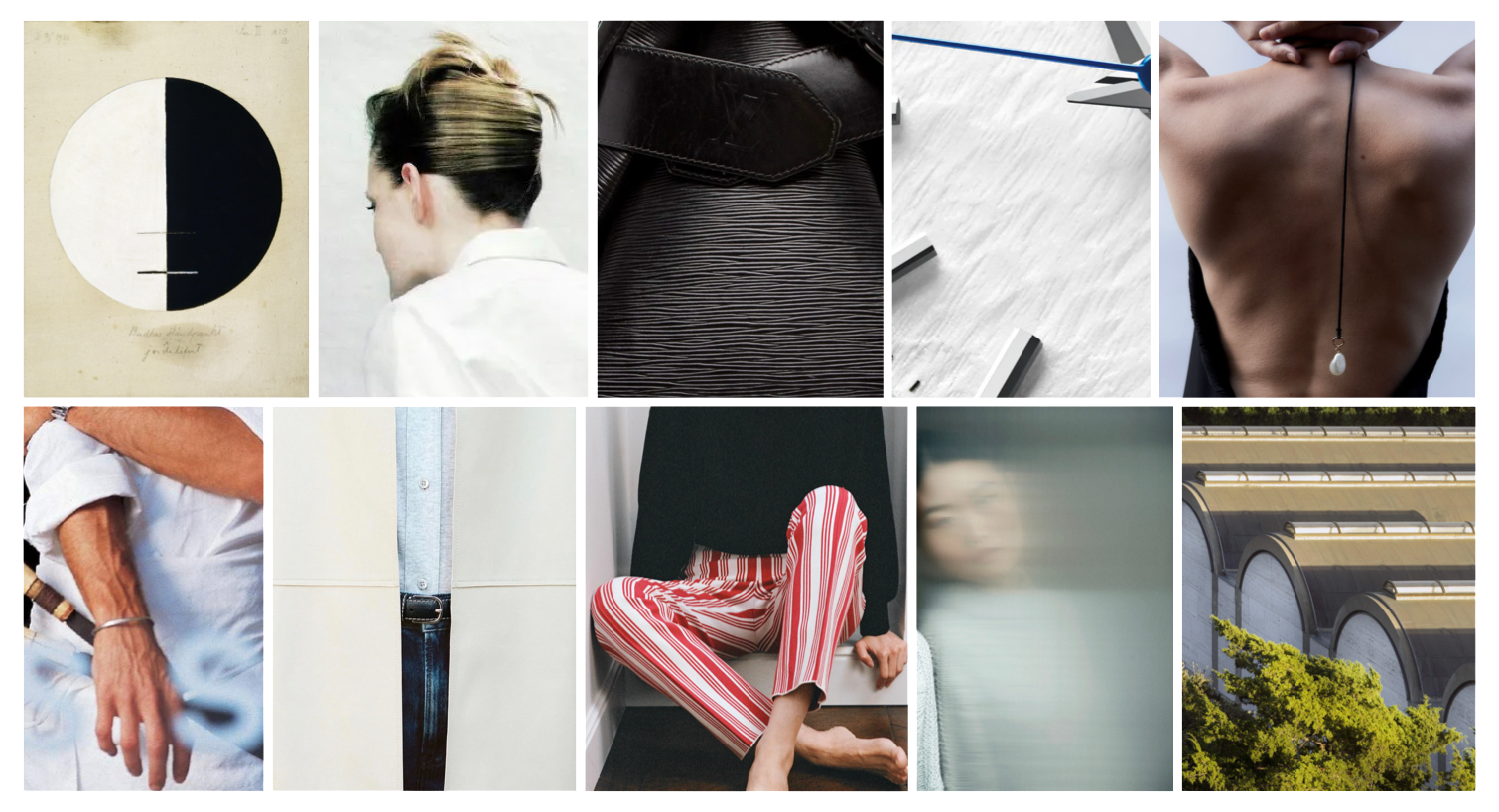
Written by our founder
.
Fine jewelry is a unique category. Like clothing, it exists to accessorize the body, but its fine distinction denotes that it must be made of precious certain materials, similar to haute couture. Its these materials (gold, platinum, rare gemstones) that give the pieces their lifelong, generational capacity, and their prestigious air.
This air adds to the nature of the category, associating it with grand occasions, mostly engagement rings. So what happens when one of the biggest aspects of fine jewelry (diamonds) changes in parallel with a shift in the culture of buying nicer jewelry for yourself?
It means, at least we believe, that the fine jewelry category is entering another chapter, one where there will be a brand for every style, the same way the clothing world does.
A brief history of diamonds
Our dive into this world began as a research project for a jewelry factory. Knowing my work in Brand Strategy, a friend I had met when living in Hong Kong shared that her brother’s factory in Shunde (順德) was working with a lab grown diamond supplier in India that he really liked, and asked what I thought about brands in that world.
Originally being pro mined diamonds, the switch to pro lab grown came quickly, and from two main things — the science, and the history.
The science is relatively simple — they’re exactly the same, so exact that you need special machines to tell lab grown and mined diamonds apart. Whether the lab grown diamonds are grown through HPHT (High Pressure High Temperature) or CVD (Chemical Vapour Deposition), the end product is a 100% Carbon diamond.
On the history side, I learned that mined diamonds are more plentiful than we think, and were never supposed to be as expensive as they are, both caused by DeBeers. As the world’s oldest diamond mine owner, with mining rights first purchased with profits from the founder’s teenage business selling ice to miners, DeBeers first formed in 1888 and dominated the industry for the next century, reaching a height of 90% market share in the 1980s. By forming the Diamond Trading Company and convincing other mines to join their cartel, they artificially controlled the supply and demand of diamonds and set the rules on how they should be used.
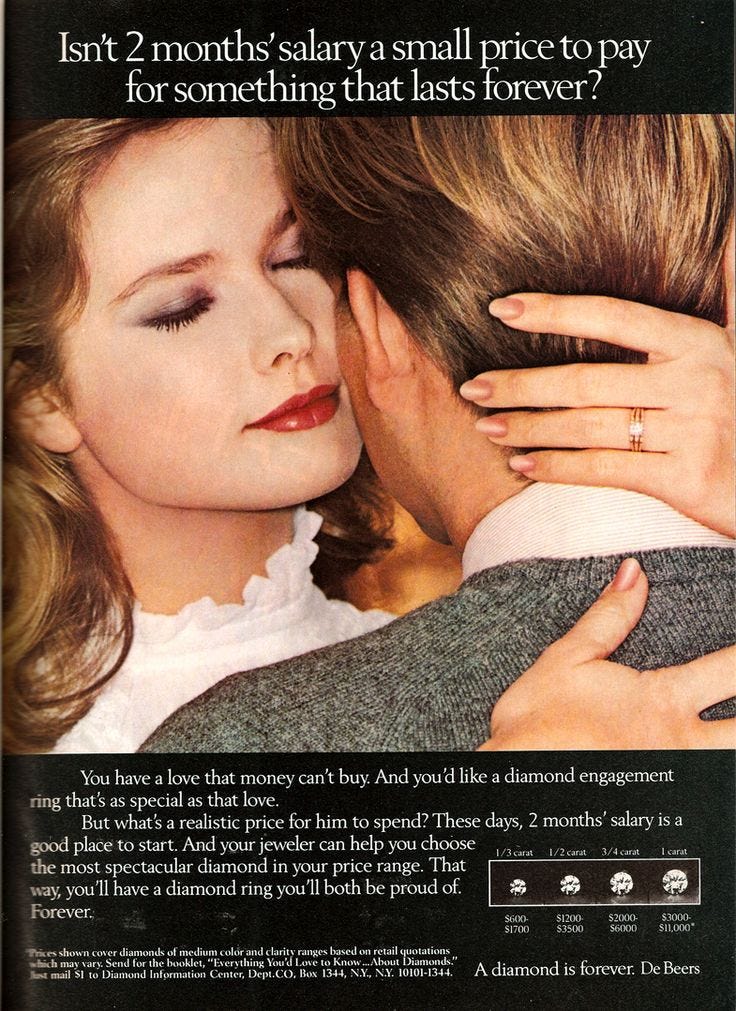
In 1940, 10% of American women were proposed to with diamond engagement rings, and with declining diamond sales especially post the Great Depression, DeBeers wanted to turn this around. They hired the ad agency N. W. Ayer to do market research and run marketing campaigns for them, among many things, creating the “A diamond is forever” line. Ten years later, the amount of women with diamond engagement rings had grown by 20% and by 1990 it was 80%. That famous saying about men spending two months of their income on an engagement ring? That was them.
What is DeBeers up to now? After mines in Russia (where more than ⅓ of the world’s diamonds come from, hence price changes during the Ukraine-Russia war), Canada, and Australia began breaking away from the cartel, DeBeers didn’t have the same supply and demand power, and their market share fell to below 60% in the late 90s. This, plus:
The negative publicity around blood diamonds in 1999
The anti-trust lawsuit (where DeBeers was found guilty of illegally monopolizing the international diamond business and settled to pay $295M to U.S. jewelry makers, wholesalers, retailers, and consumers)
Organizational changes
The growth of lab grown diamonds
have made DeBeers’ international market share of diamonds 29%, as of 2023. These days, their marketing focus is on selling the beauty of the flaws in mined diamonds.
Owning both mined and lab diamonds/gemstones
Understanding the science and history behind lab grown diamonds changed the idea of buying mined gemstones for me. I still believe there are cases for when mined diamonds make sense — if there’s a piece you love with mined stones that you want to repurpose, or wanting your love (engagement ring) to be represented by billions of years of a stone forming in the earth.
But when it comes to everyday fine jewelry, lab grown began to make more sense. It gives the wearer the physical properties of the stones (their brilliance, color, hardness), without buying into artificial narratives.
Modern fine jewelry brands
Now being sold on lab grown diamonds, the research took me through what current brands were doing. I noticed three main themes:
Feminine/bridal designs - The majority of lab grown diamond brands, like mined diamonds, are bridal-related and if they’re not bridal, they lean feminine (daintier, softer, more curves).
Lack of material transparency - Some brands don’t say how many grams of gold are in each piece or what the quality of the diamonds are. If I’m paying more than $1k for something, I want to know what the piece is made of.
Choice paralysis - Every brand had 20+ options, sometimes even within each category, with collections based on motifs that are pretty (“nature-inspired collection”), but not designed with wearability in mind.
These thoughts sat in my mind as I considered their parallels with a shift in style my friends and I were experiencing. We had gotten to the age where we were mostly happy with the clothes in our wardrobe and were now dabbling in the power of accessorizing, whether through a watch, layered necklaces, ring stacks, or manicures. Like with clothes, there too was the transition from purchasing lots of cheaper pieces to investing in less but higher quality items.
Designing my own fine jewelry
At this point, I began laying out what pieces are considered “must-haves” and timeless, and then refining which ones would actually make sense for everyday wearability, consulting friends and thinking about what we found ourselves wanting.
Once the types of pieces were set, I began designing them through a minimalist and unisex lens. In the same way that so many of the brands I like are wearable by all, and how I’m equally inspired by Louis Cheslaw and Tessa Thompson's style, I wanted these accessories to be the same.
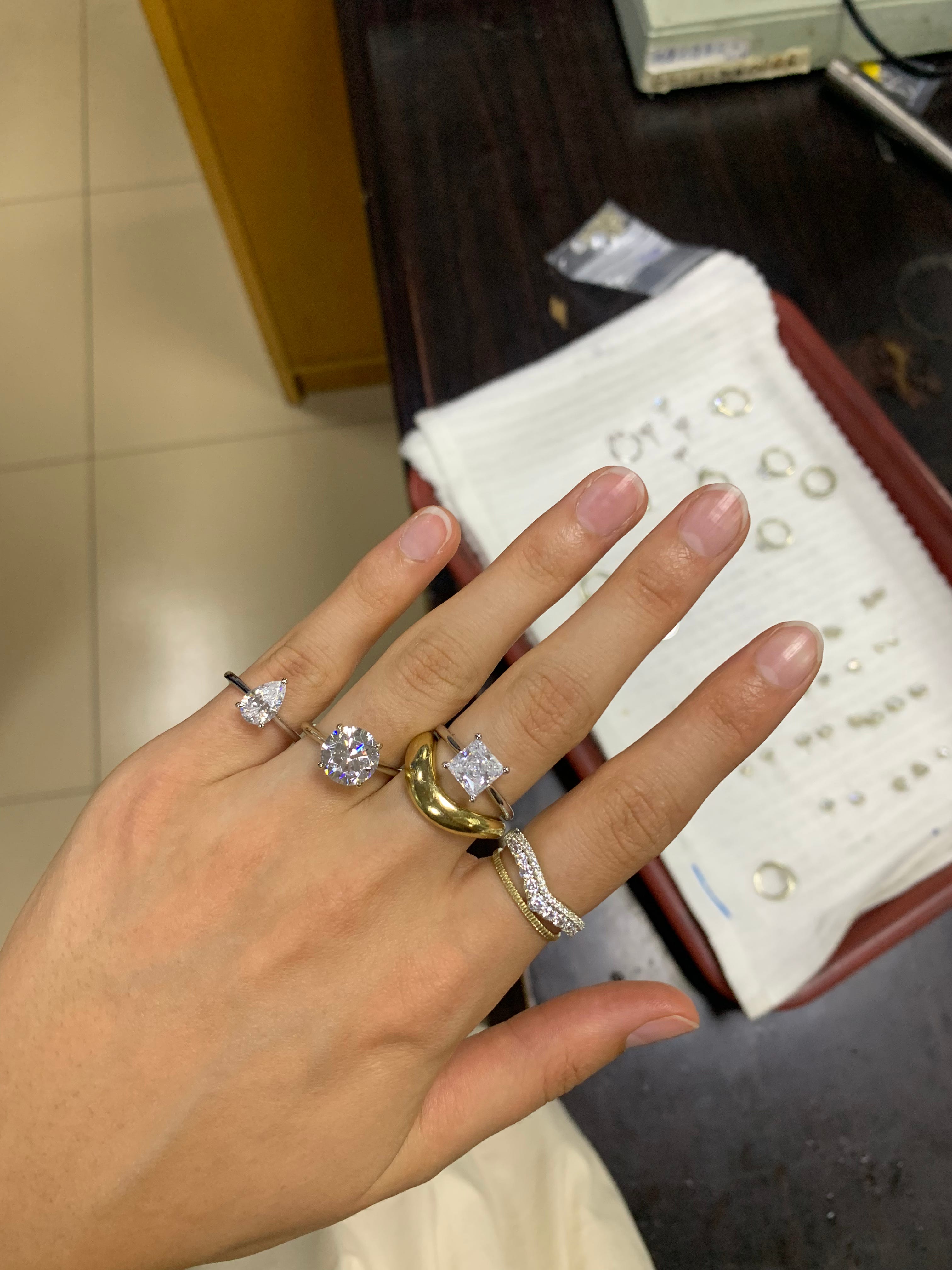
I then worked with the experts at our factory to make sure all the pieces would be comfortable to wear (e.g. no thick ring bands that bother your other fingers, secure but simple clasps), and were made with the highest standards of materials for fine jewelry — 18k gold and DEF/VS2+ diamonds. After a few rounds of samples (and playing with diamonds at the factory) our first collection, the Diamond Collection, was set.
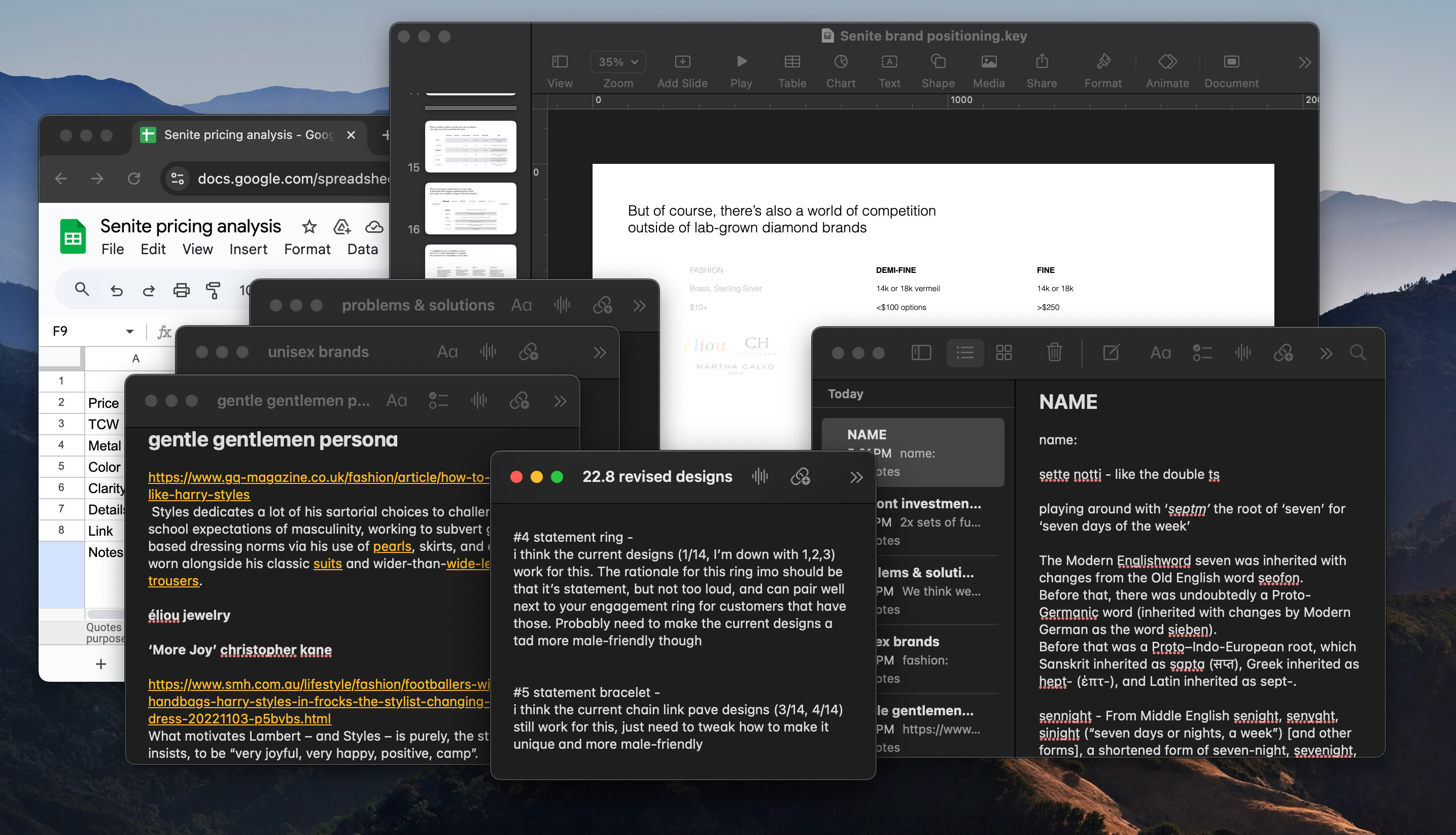
As for the brand name, ‘Senite’ comes from an exploration into words related to ‘everyday’. ‘Sefennnahht’, a contraction of ‘seven’ and ‘nights’, is the Old English term for how we used to refer to ‘a week’. We liked that our name would be a direct nod to pieces you can wear everyday, and that the ‘ite’ part felt synonymous with stones.
With these pieces, we can’t wait for you to enjoy their brilliance, feel pride in their quality, but most importantly, we hope you love wearing them.
Thank you for being here,
Asai